
Why doesn’t high speed rail work in America?
For American travelers, the choice between cities usually comes down to driving or flying. In countries such as Japan and France, fast trains offer another practical option. Why has the United States struggled to make that choice widely available?
The answer involves more than America’s attachment to cars. Building successful high-speed rail requires suitable routes, sustained investment, and infrastructure that allows trains to travel quickly throughout the journey.
America’s experience shows how difficult it is to bring those conditions together.
A faster train is only part of the solution. Amtrak introduced its NextGen Acela fleet in August 2025, with trains capable of reaching 160 mph. However, older infrastructure and curved tracks limit how much of the journey can run at that speed. Buying modern trains can improve service, but it cannot remove every constraint along the route.
It is also misleading to describe high-speed rail through a single universal speed threshold. The International Union of Railways distinguishes between newly built high-speed lines and upgraded existing routes. America's broader challenge is providing consistently fast journeys across an extensive network.
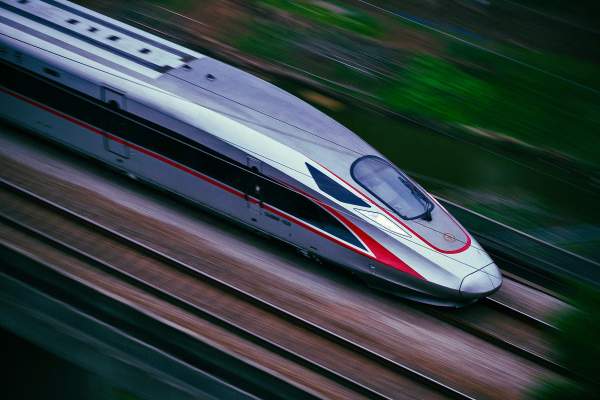
Photo: unsplash.com
The country’s transportation choices have made that challenge harder. Decades of investment in highways and aviation helped establish driving and flying as everyday habits. New rail services must attract passengers who already have familiar alternatives, while finding money for expensive infrastructure before ticket revenue begins.
Geography adds another difficulty. A train connecting nearby population centers can compete with the inconvenience of airport travel and the time spent driving. As distances grow, flying becomes more attractive. That makes selecting individual corridors crucial: a route between well-connected cities has a different commercial outlook than a line serving widely dispersed destinations.
Nevertheless, evidence shows Americans will use intercity trains. In fiscal year 2025, Acela carried approximately 3.15 million passengers, while Northeast Regional carried about 12 million. Those figures show an established market in the Northeast, but passenger demand alone does not determine whether a new line can recover its construction costs.
Brightline’s financial difficulties illustrate the distinction between operating a service and paying for the investment behind it. In September 2026, certain Brightline entities entered Chapter 11 restructuring. Brightline Trains Florida, which operates the Miami–Orlando service, did not file, and trains continued running. The separate Brightline West project was also outside the restructuring.
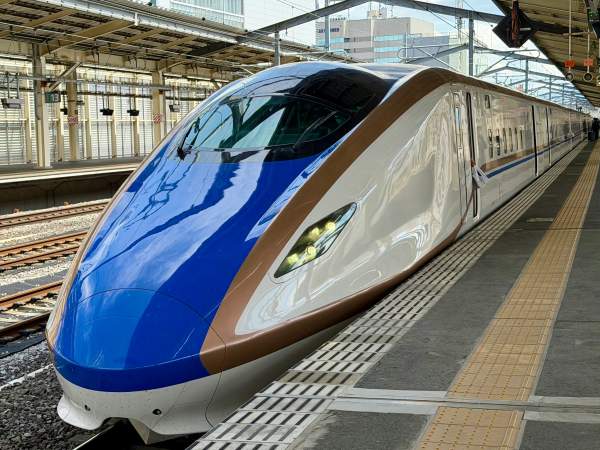
Photo: unsplash.com
Brightline West’s proposed 218-mile connection between Las Vegas and Rancho Cucamonga is designed for speeds of around 200 mph. Although privately led, it has also received substantial government backing, including a $3 billion federal grant agreement. Its financing demonstrates how public support can play a major role even in a private rail development.
California’s publicly led project presents a different challenge: delivering a large network in stages. Its 2026 business plan focuses initial service on Merced–Bakersfield, with passenger operations anticipated in 2033. That remains a projection, rather than a guaranteed opening date, and the initial section would serve only part of the wider planned system.
Together, these examples suggest that America’s problem is less about whether fast trains can attract passengers than about how to build and finance the infrastructure they need. Successful projects will require realistic demand forecasts, dependable funding and routes that offer a clear advantage over existing travel options.

Photo: unsplash.com
High-speed rail can also deliver benefits beyond ticket revenue, including better access to jobs and alternatives to congested roads. Those potential gains help explain the case for public investment. Turning them into a reliable service, however, requires commitments that last through years of planning, construction, and operation.